
November is the month your yard decides how it will look in April. The work you do (or skip) in the next few weeks shows up later as thin turf, split shrubs, cracked pots, and soggy low spots. We have been working on properties around Burtonsville since 1997, from the older homes off Old Columbia Pike to the newer subdivisions near the Greencastle Road corridor, and the same handful of winter problems come back every year.
Here is how we approach winter yard prep in Montgomery County: what we protect, what we cut back before a hard freeze, and what we deliberately leave alone until early spring. The goal is not a perfectly bare yard. It is a yard that comes through a Maryland winter without damage.
Why Winter Prep Hits Different in Montgomery County
Two local realities drive almost every decision we make this time of year.
The first is clay. Much of the soil around Burtonsville and the Route 29 corridor is clay-heavy. Clay holds water, drains slowly, and swells and shrinks as it freezes and thaws. That freeze-thaw cycle is what heaves young perennials and new plantings right out of the ground, snaps shallow roots, and leaves shallow puddles sitting on turf for days.
The second is our swing-season weather. Maryland rarely gives us a clean handoff from fall to winter. We get mild stretches into December, then a sharp drop, then rain, then a freeze. Plants that were still pushing soft new growth get caught. That is why timing matters more here than in places with a steady, predictable winter.
So when we walk a property in November, we are not just tidying. We are looking at where water collects, which plants are exposed to wind along open yards and parking areas, and which beds will heave once the ground starts cycling.
What to Protect Before the First Hard Freeze
Protection work is the part homeowners skip most often, and it is the part that prevents real damage.
- Irrigation and outdoor spigots. Drain and shut down irrigation lines, disconnect hoses, and drain them. Water left in a hose bib or a line can freeze and split the pipe. This is the single most common winter repair we hear about.
- Containers and ceramic pots. Glazed and terra cotta pots crack when the soil inside freezes and expands. Empty them, or move them into a garage or shed. Lightweight resin planters can usually stay out.
- New plantings. Anything installed this year has a small root ball and little anchoring. A few inches of shredded bark or leaf mulch over the root zone (not piled against the trunk) buffers the freeze-thaw swing in clay soil.
- Broadleaf evergreens. Hollies, boxwoods, cherry laurels, and rhododendrons lose moisture through their foliage all winter while frozen ground keeps the roots from replacing it. That is winter burn. A deep soaking before the ground freezes helps more than anything else. Burlap screening helps on the windward side of exposed yards.
- Narrow upright evergreens. Arborvitae and columnar junipers splay open under wet snow and ice. Loosely tying the leaders together with soft twine keeps them from bending permanently.
- Water features and pumps. Shut down, drain, and store pumps according to the manufacturer’s instructions so nothing freezes solid inside the housing.
- Hardscape surfaces. Sweep patios and walkways clear of wet leaves and organic debris. Left in place all winter, that layer stains pavers and feeds moss in the joints.
What to Cut Back Now
Cutbacks are about disease, airflow, and safety, not neatness.
- Diseased or pest-ridden foliage. Peony leaves with botrytis, bee balm with powdery mildew, iris with borer damage, and hosta leaves that have collapsed into mush should all come out and go in the trash, not the compost pile. Leaving infected tissue in the bed overwinters the problem.
- Floppy, mushy perennials. Hosta, daylily, and most soft-stemmed perennials turn to slime after the first hard frost. Cut them to a few inches so they are not a wet mat holding moisture against the crown.
- Vegetable garden remnants. Pull spent tomato and squash plants and clear the fallen fruit. Those are the beds where overwintering pests concentrate.
- Dead, broken, or rubbing branches you can reach from the ground. Anything cracked or hanging is a hazard once ice loads it.
One thing we do not do in November is a hard shaping of shrubs. Pruning stimulates new growth, and tender growth going into December is growth that gets killed back. Spring bloomers like azalea, forsythia, lilac, and oakleaf hydrangea have already set next year’s flower buds, so cutting them now removes the show you were waiting for. Hedge shaping belongs to a different part of the calendar.
What to Leave Alone Until Early Spring
This is where our advice usually differs from a generic fall checklist. A yard scraped completely bare in November is not healthier, and it is more work than it needs to be.
- Ornamental grasses. Leave switchgrass, miscanthus, and little bluestem standing. The stems protect the crown, catch snow, and give you something to look at in January. We cut them back in early spring before new blades emerge.
- Seed heads. Coneflower, black-eyed Susan, sedum, and rudbeckia feed birds all winter and look good under frost.
- Marginally hardy plants. Butterfly bush, crape myrtle, and lavender hold up better when the old wood stays on through winter. Prune them when growth resumes.
- Hydrangea. Bigleaf and oakleaf types bloom on old wood. Leave the stems and just remove obviously dead canes later.
- A thin layer of shredded leaves in beds. Chopped up, leaves become free mulch and insulation for clay soil. Whole, matted leaves smothering turf are a different story and need to come off.
The Lawn: Know Your Grass, Then Finish the Season Right
Almost every lawn in this part of Maryland is cool-season grass: tall fescue, often with some Kentucky bluegrass or perennial ryegrass mixed in. That matters, because cool-season grass is still working on its roots in November even when the blades have stopped growing much. Warm-season grass like zoysia, which shows up on some older Montgomery County properties, goes dormant and turns tan, and that is normal, not dead.
Our end-of-season routine for a fescue lawn:
- Keep mowing until growth truly stops. Going into winter with tall, floppy grass invites matting and snow mold.
- Set the final cut a little lower than your summer height, but never scalp. Short, stressed grass has nothing to feed the roots.
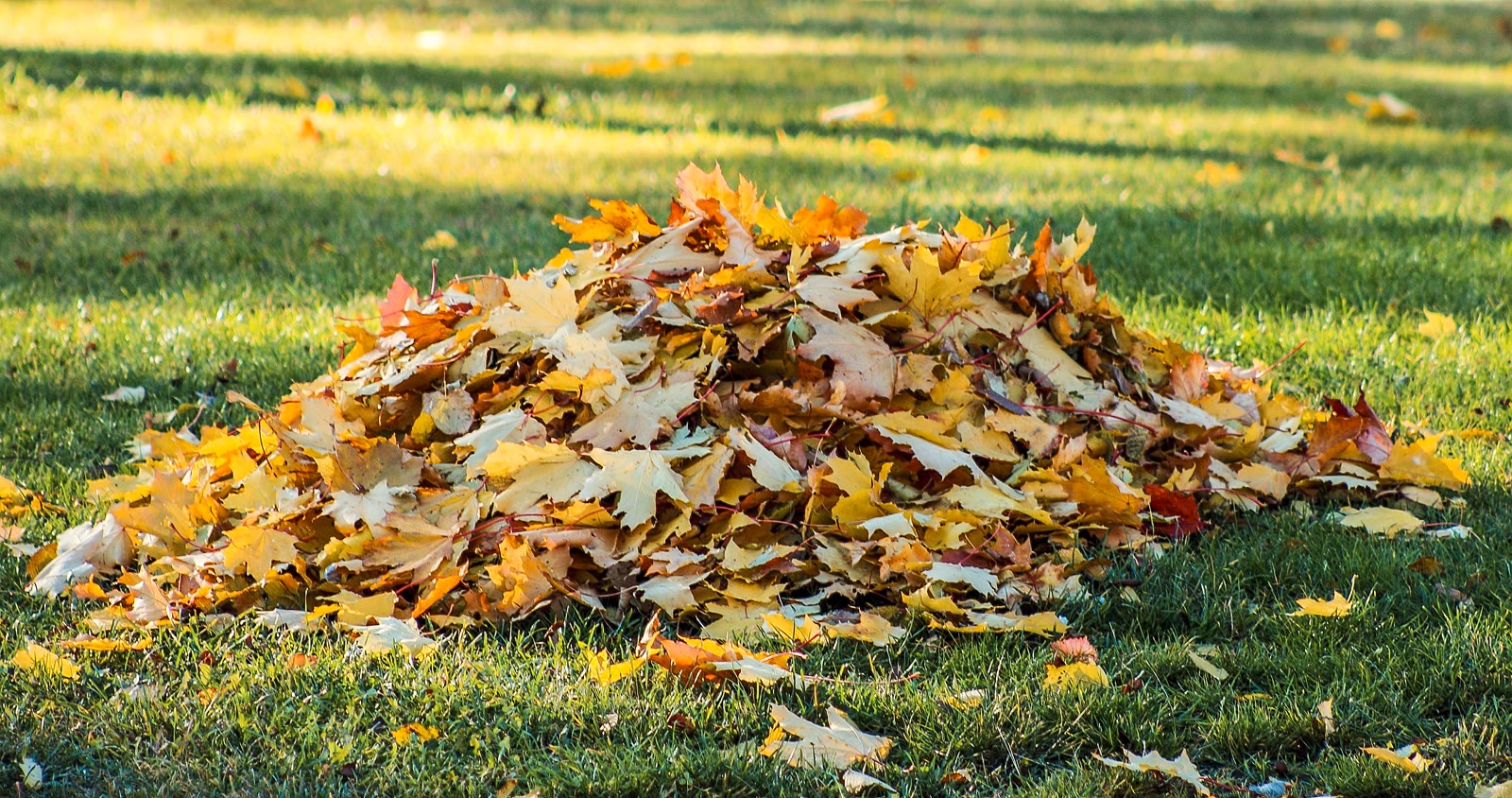
- Get the heavy leaf layer off the turf. Grass that spends December under a wet, packed blanket of leaves comes out of winter thin and patchy, and that is the yard that needs the most repair work later.
- Mulch-mow light leaf drop instead of hauling it. Shredded leaf bits break down and feed the soil.
- Stay off frozen or frosted turf. Footprints and tire tracks on frozen blades leave visible damage for weeks.
Fertilizing timing and rates in Maryland are governed by state lawn fertilizer rules, including a cutoff date in fall, so late-season feeding is not a free-for-all. If you are unsure where you stand in the calendar, skip it and address lawn care nutrition when growth resumes.
Drainage: The Thing Most Winter Checklists Skip
In clay soil, winter is a water problem as much as a cold problem. Before the ground freezes, we walk the property after a rain and look for standing water near foundations, downspout outlets dumping right against the house, driveway edges that pond, and low spots in the turf.
Clear gutters and extensions so roof water is carried away from beds and walkways. Make sure catch basins, channel drains, and pop-up emitters are not packed with debris. A clogged drain in November becomes an ice sheet across a walkway in January. On sloped lots common near the Route 29 corridor, we also check that mulch has not washed down and blocked the path water is supposed to take.
Leave the Ladder Work and Big Trees to a Professional
We will say this plainly: roof gutters, overhead limbs, and anything requiring a ladder or a pole saw are not good do-it-yourself winter projects. Wet leaves, cold hands, and uneven clay ground make for bad footing, and a limb over a roof, a deck, or a power line needs trained hands and the right equipment. If you see cracked limbs, limbs hanging over the house, or dead wood high in a tree, bring in a professional rather than taking it on from a ladder.
How Winter Prep Sets Up Your Spring Cleanup
Everything above is really the first half of a two-part job. The second half is spring cleaning in the landscape, when we clear what winter dumped on the property, cut back what we deliberately left standing, and reset the beds.
A good spring yard cleanup around here usually includes removing leaves, fallen limbs, and winter debris from turf and beds, cutting ornamental grasses and perennials before new growth pushes, deep edging a crisp line between turf and beds, pre-emergent weed control, and fresh mulch. Some lawns also need core aeration and overseeding to recover thin areas, though for cool-season grass that work is often better suited to fall. Properties that went into winter with clean gutters, clear drains, and turf that was not buried under matted leaves need far less repair work when the season turns.
Think of it as one checklist split across two seasons. What you protect in November is what you do not have to replace in April. If you want a hand with the heavy end of winter prep in Burtonsville or anywhere along the Route 29 corridor, we are local, and we know these yards.
Ready to move forward? Learn more about our Fall Landscape Cleanup or get in touch.
Frequently Asked Questions About Winter Yard Prep
When should I get my yard ready for winter in Burtonsville?
Start in November, before the first hard freeze. Maryland rarely moves cleanly from fall to winter. Mild stretches can run into December, and then the temperature drops fast. Plants still pushing soft growth and water left in pipes get caught by that drop, so it pays to finish the protection work early.
Do I need to drain my hoses and irrigation lines before winter?
Yes. Drain and shut down irrigation lines, disconnect your hoses, and drain them too. Water left in a hose bib or a line can freeze and split the pipe. It is the most common winter repair we hear about.
How do I keep boxwoods and hollies from getting winter burn?
Give them a deep soaking before the ground freezes. Broadleaf evergreens like boxwoods, hollies, cherry laurels, and rhododendrons keep losing moisture through their leaves all winter, while frozen ground stops the roots from replacing it. On open, windy yards, burlap screening on the windward side helps too.
Should I cut my perennials back in the fall or leave them?
Cut back anything diseased, mushy, or pest-damaged before winter. Leave ornamental grasses, seed heads, hydrangea, and marginally hardy plants standing, since the old growth protects the crown and can be removed in early spring.
Do I really need to get all the leaves off the lawn?
A light scattering can be mulch-mowed into the turf and will break down over winter. A thick, matted layer should come off, because grass sitting under packed wet leaves all winter tends to come out thin, patchy, and prone to disease.
Is it too late to plant or prune in November?
Skip hard pruning this late in the year, since it pushes out tender new growth that a freeze will kill, and spring bloomers have already set their buds. Trees and shrubs can often still be planted while the ground is workable, as long as they are watered in well before it freezes.
Should I book a fall cleanup before winter?
If leaves are piling up on the lawn or your beds are full of spent plants, yes. A fall cleanup clears leaves and debris, cuts back tired plants, trims weak limbs, and adds a layer of mulch, which covers much of the protect and cut back work in this guide. The best window in Maryland is mid to late fall, once most leaves have dropped but before the first hard freeze.
Need help with Fall Landscape Cleanup?
Tell us about your project in Burtonsville and we will be in touch.