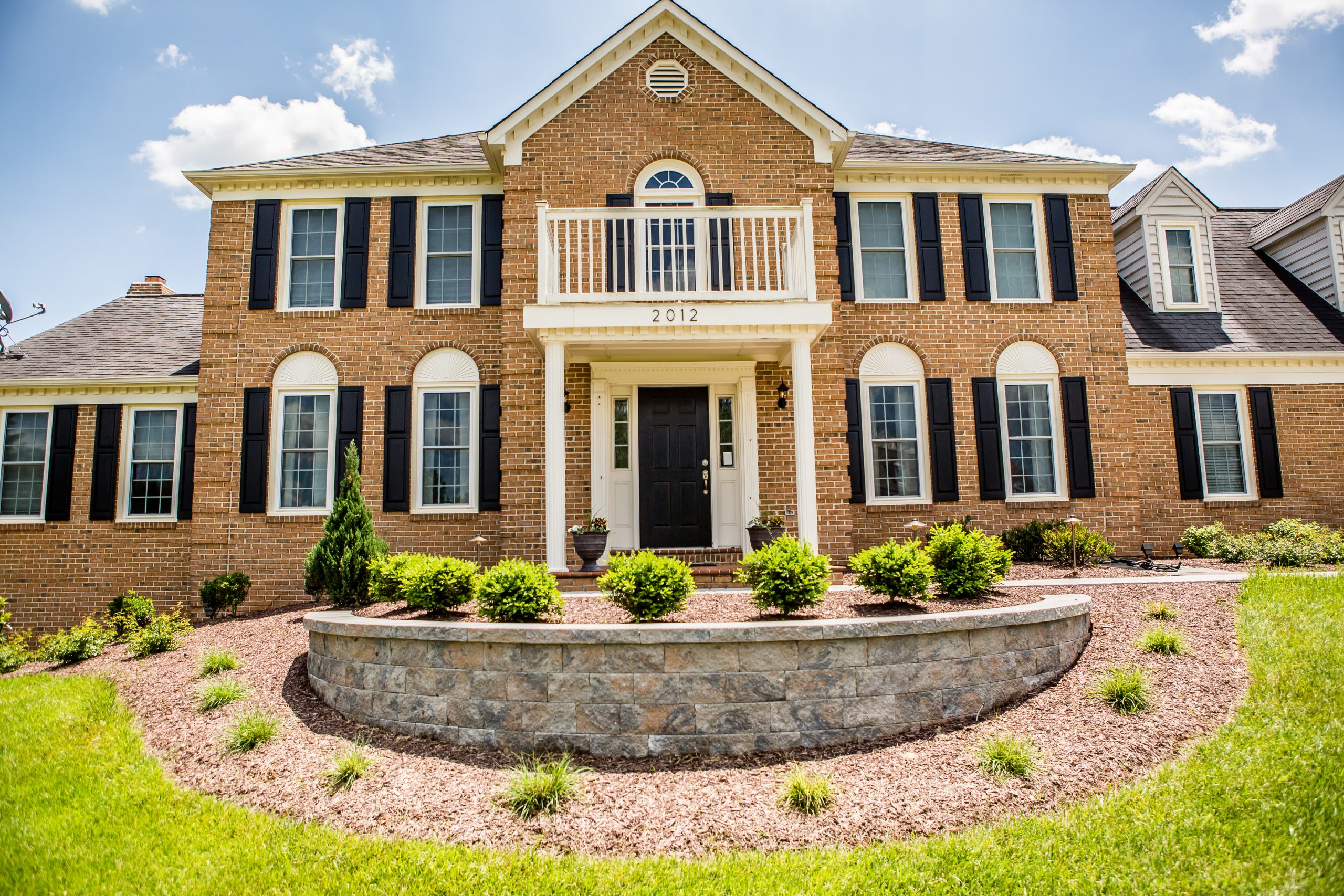
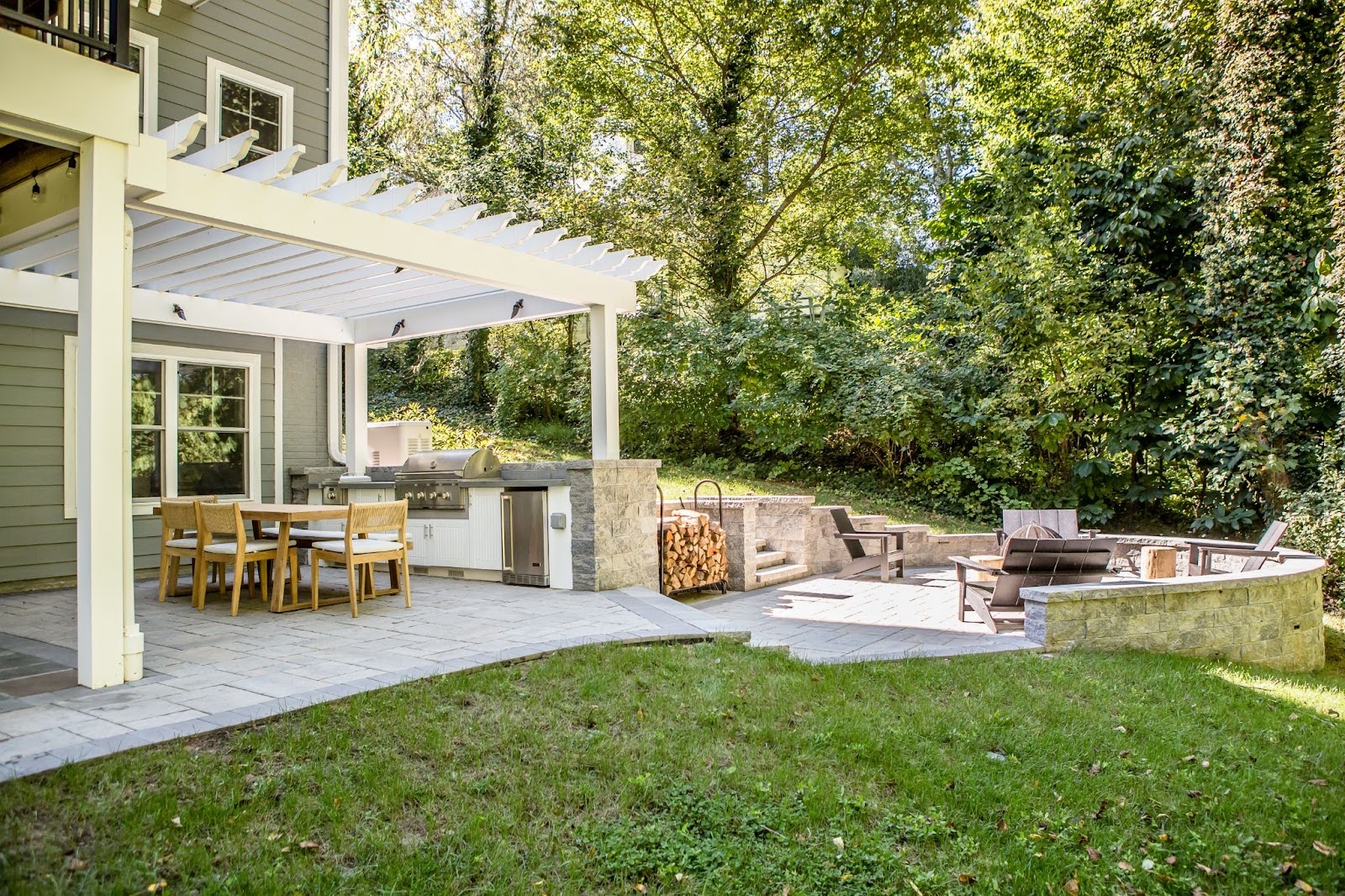
Hiring someone to mow the lawn at your house is a low-stakes decision. If they do a mediocre job, you are mildly annoyed. Hiring a company to maintain a commercial property or an HOA community is a completely different kind of decision, because the stakes are higher in ways that are not obvious from a mowing quote. The condition of the grounds reflects on the business or community, tenants and residents hold the property to a standard, and if someone slips on an icy walkway or a worker is injured on the property, the liability can land on you.
That is why choosing a commercial landscape maintenance company is not about finding the lowest per-visit price. It is about vetting for the things that protect the property and the people responsible for it. Here is what HOA boards and property managers should actually evaluate, most of which never comes up in a basic bid.
Commercial Maintenance Is Not Residential Work at a Bigger Scale
The first thing to understand is that maintaining a commercial site or a shared community is a different discipline from residential lawn care, not just a larger version of it. A commercial property operates under higher visibility and greater accountability. It has to look consistent every single week, not just when someone gets around to it. It has to stay safe and functional for the public, tenants, or residents who use it daily. And it has to hold up under heavy use and Maryland’s swing of seasons. A crew set up for residential yards is often not set up for the schedule discipline, the equipment, the insurance, or the accountability that a commercial contract demands. So the real question is not just whether they can cut grass, but whether they are built to run a commercial account.
Insurance and Liability: The Part Boards Under-Check the Most
This is the single most important thing to verify, and it is the thing that gets checked the least. Ask any company you are considering for a current Certificate of Insurance, and confirm two coverages specifically: adequate general liability, and workers’ compensation.
Workers’ comp is the one that quietly exposes an HOA. Here is the trap. If a landscaping company’s employee is injured on your property and that company does not carry workers’ compensation, most states will treat the injured worker as your employee, which transfers the liability to the association. That worker can then sue the HOA, and if the association is not properly covered, it can be forced to dip into reserves or hit residents with a special assessment. General liability matters for the reverse reason: if a worker damages the property or a third party is hurt during the work, you want their policy responding, not yours. Many commercial clients and HOAs go a step further and require being named as an additional insured on the contractor’s policy, which extends that protection to the association directly. A few simple habits protect you: get the Certificate of Insurance in hand before work starts, verify it again every year because policies lapse, and confirm that any subcontractors the company uses carry the same coverage. If a company hesitates to provide proof of insurance, that is your answer.
Snow and Ice: Maryland’s Biggest Hidden Exposure
In our climate, snow and ice management is where the liability gets sharpest, and where a lot of contracts quietly fall short. A slip on an icy sidewalk or parking lot is one of the most common claims a commercial property or community faces, so how your maintenance company handles winter is not a side service, it is central to protecting you. Two things are worth pushing on. First, confirm their insurance actually covers commercial snow and ice work. Many general liability policies exclude snow and ice unless it is specifically added, and some contractors’ snow coverage is written for residential driveways and explicitly excludes commercial properties, which means a residential-minded company could be plowing your lot with no coverage for it at all. Second, ask about their process: do they pre-treat before a storm, what snow depth triggers a response, are they staffed for overnight and weekend events, and, crucially, do they keep dated logs of every treatment and plow. Those logs are exactly what defends the property if a slip-and-fall claim is filed, because they prove the site was serviced. A company with certified snow and ice crews and real documentation is worth far more than a low winter rate.
Read the Contract Scope Before You Compare Prices
Two commercial bids are almost never for the same thing, which is why comparing them on price alone is misleading. Before you weigh cost, get clear on scope. What is included in the regular maintenance visits, and how often. What counts as an enhancement or extra that gets billed separately, things like seasonal color, mulch, pruning cycles, irrigation checks, and storm cleanup. How the contract is structured, whether it is billed per visit or as an annual program spread evenly across the year. And what the process is when something outside the scope comes up. A bid that looks cheap often has a narrow scope with everything else billed as an add-on, while a bid that looks higher may already include work the other one will nickel-and-dime you for later. Once the scope is genuinely the same, you can actually compare.
Consistency, Communication, and a Single Point of Contact
The difference between a commercial account that runs smoothly and one that becomes a headache usually comes down to accountability. You want to know who your point of contact is, one account or project manager who knows your property and answers when you call, rather than a rotating phone tree. You want consistency in the crew, so the people on your site know its quirks, its drainage, and its standards. And you want communication you can bring to a board meeting or an owner: reporting on what was done, a heads-up on issues spotted on the property, and a fast response when something needs attention. For an HOA especially, a company that keeps the board informed and shows up predictably is worth more than one that is slightly cheaper and goes quiet.
Why the Lowest Bid Usually Is Not the Cheapest
It is tempting to hand the contract to whoever comes in lowest, and on a tight community or business budget that pressure is real. But the lowest bid frequently costs more over the year. It shows up as deferred work that piles up, corners cut on the things you cannot see until they fail, crews that turn over so nobody knows the property, add-on charges that erase the savings, and the time you spend chasing the company to do what you thought you were paying for. Weighed against a gap in insurance or a single slip-and-fall claim, a few dollars saved per visit can look very small. The better measure is total value over the contract: the property kept consistently to standard, the liability properly covered, and a company you are not managing on top of your other responsibilities.
Choosing With Confidence
None of this means the process has to be complicated. It comes down to verifying that a company is genuinely built for commercial work, properly insured for it, disciplined about winter, clear about scope, and accountable to you. That is the standard we hold ourselves to. Hometown Landscape is a licensed and insured Maryland company with certified snow and ice crews, and we run commercial landscaping accounts with a dedicated point of contact who builds a relationship with your property managers. If you are evaluating commercial landscape maintenance for a business, HOA, or managed property in the Burtonsville area, we are glad to walk your site, learn your standards, and show you what a plan that actually protects you looks like.
Frequently Asked Questions About Commercial Landscape Maintenance
What is the difference between residential and commercial landscape maintenance?
Commercial maintenance is a different discipline, not just a bigger version of residential lawn care. It demands consistent, scheduled upkeep, higher accountability, proper commercial insurance, and the capacity to keep a property safe and presentable for the public, tenants, or residents who use it daily. A crew set up for home yards is often not equipped for the insurance, scheduling, and liability a commercial or HOA account requires.
What insurance should a commercial landscaping company carry?
At a minimum, adequate general liability and workers’ compensation, and you should ask for a current Certificate of Insurance to verify both. Workers’ comp is especially important, because if an uninsured company’s employee is hurt on your property, the liability can transfer to you. Many HOAs and property managers also require being named as an additional insured on the contractor’s policy, and re-verify coverage every year since policies can lapse.
Does a landscaper's insurance automatically cover snow and ice work?
Often not. Many general liability policies exclude snow and ice removal unless it is specifically added, and some contractors’ snow coverage is written only for residential work and excludes commercial properties. Because slip-and-fall claims are a major exposure for commercial and HOA sites, confirm the company is actually insured for commercial snow and ice work, and that it keeps dated service logs, before winter arrives.
How should I compare commercial landscape maintenance bids?
Start with scope, not price. Confirm what is included in each regular visit, what is billed as an extra, and how the contract is structured before comparing costs, because a low bid often has a narrow scope with everything else added on later. Once the scope is genuinely the same, you can compare price fairly, along with insurance, snow response, and accountability.
Why is the lowest bid often not the best value for an HOA or property manager?
Because the lowest bid frequently costs more across the year through deferred work, crew turnover, add-on charges, and the time spent managing the company. It can also come with gaps in insurance or winter coverage that expose the association to real liability. The better measure is total value: consistent quality, proper coverage, and a company that is accountable and communicates.
Related Articles
- How to Choose an Outdoor Living Contractor: Why the Part You Can’t See Decides Whether It Lasts
- Hiring a Landscape Designer in Maryland: Design-Only, Design-Build, and the Plan You Can Actually Build
- Hiring a Landscaper in Maryland: The Shovel Rule, the Red Flags, and How to Verify Before You Pay
- Building Complete Outdoor Environments Through Pool Construction, Carpentry, and Landscape Maintenance