
Hardscaping contractors play a pivotal role in transforming outdoor areas into visually stunning and functional outdoor living spaces. From custom patios to retaining wall installations, these experts not only elevate curb appeal but also address crucial infrastructure needs like proper drainage systems. Whether you’re in Burtonsville MD, Silver Spring, or any part of Maryland, understanding how professionals approach drainage in hardscape design is vital to creating a durable and attractive outdoor space. Read More
What Lighting Plans Do Outdoor Living Contractors Propose for Safety and Ambiance?
Outdoor living contractors in Maryland and Washington DC don’t just build patios they transform outdoor living spaces into immersive environments that balance beauty, safety, and functionality. From subtle pathway lighting to dramatic uplights around fireplaces and water features, these experts understand how lighting can elevate the ambiance while ensuring safe nighttime use. Whether you’re extending your custom outdoor living area, designing a new deck, or revamping your backyard, effective lighting is one of the core elements outdoor contractors specialize in. Read More
What Do Landscaping Services Typically Include From Design to Maintenance?
Landscaping services encompass a complete journey from initial planning and site assessment to detailed design, installation, and ongoing maintenance services. Whether you’re a homeowner in Silver Spring planning residential landscaping upgrades or a business in Rockville seeking lawn maintenance, hiring a landscaping company ensures expert handling from start to finish. These services can transform your outdoor space into a thriving, beautiful living space, adding curb appeal and value. Read More
What Counts as an Outdoor Living Space?
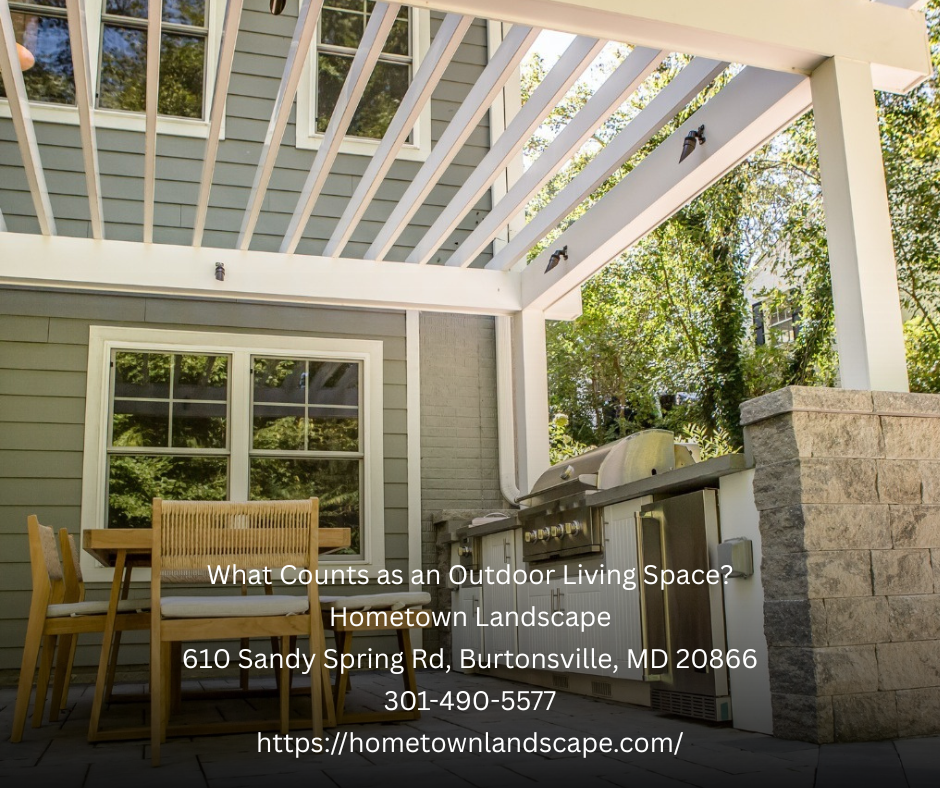
An outdoor living space is a well-planned extension of the home that blends interior comfort with the natural environment. It includes defined zones for relaxation and social activity, durable surfaces, reliable utilities, and protective structures. By unifying flooring, covering, and lighting with weather-resistant furnishings, Outdoor Living becomes a daily habit rather than a rare event. Read More
What Are the Most Durable Materials for Hardscaping?
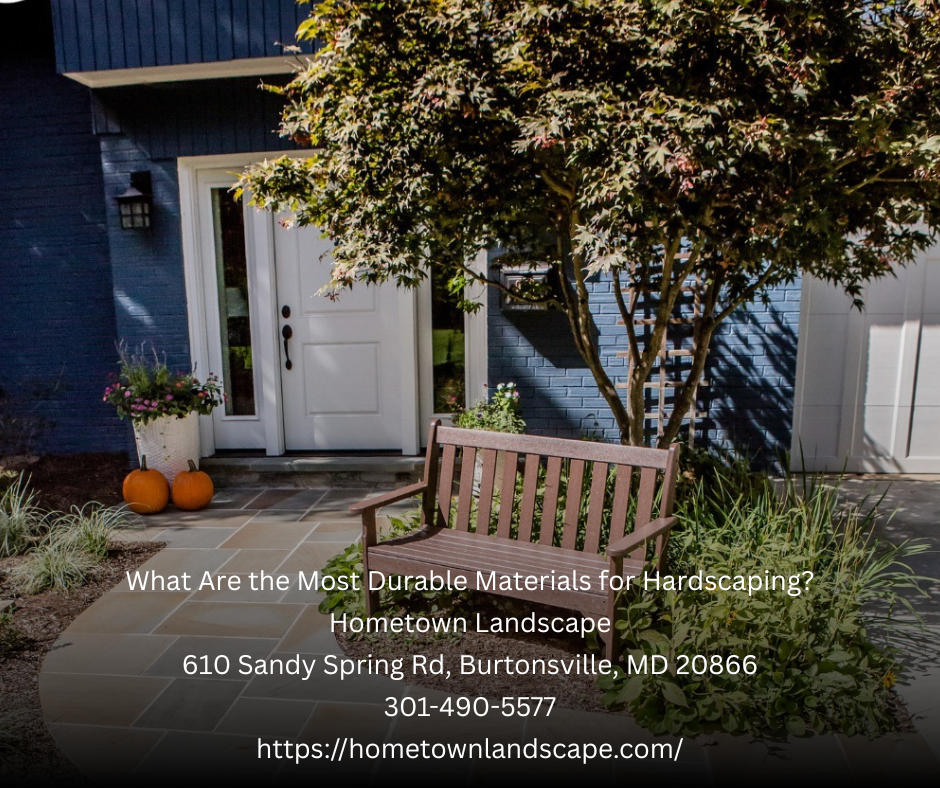
Use paving stones or concrete pavers for primary walks, and stepping stones through planting for a looser garden path. Keep grades gentle, add handrails where needed, and light intersections. Good routes expand an outdoor living space without adding square footage. Read More
How To Plan Landscaping for Beginners

What Is Considered Outdoor Living?
Outdoor living integrates nature into daily life, fostering a harmonious connection between indoor and outdoor spaces. It promotes engagement with the surroundings through thoughtfully designed areas, enhancing well-being and encouraging social interactions. Essential elements include functional furniture, durable materials, greenery, and adequate lighting, all contributing to a welcoming atmosphere. Effective design considers flow and purpose, creating defined zones for various activities. There’s much more to explore about optimizing outdoor living experiences for every lifestyle. Read More
Is Hardscaping the Same as Landscaping?

Hardscaping and landscaping are two distinct but complementary approaches to creating stunning outdoor living spaces. Landscaping involves cultivating living elements such as grass, shrubs, garden beds, and trees, all focused on creating vibrant, thriving environments. Hardscaping, on the other hand, uses non‑living materials like stone pavers, brick pavers, wood, and concrete pavers to add structure, define spaces, and improve functionality. Read More
What Are the Benefits of Hiring a Professional Landscaping Service?
Hiring a professional landscaping service offers a wide range of benefits that go far beyond curb appeal. From detailed landscape design plans to expert installation and ongoing landscape maintenance, these specialists transform outdoor spaces into thriving, functional areas. A trusted landscaping company brings knowledge of local climates, advanced tools, and a team of trained professionals who know how to maximize your lawn care results and create beautiful hardscaping elements. In many cases, their work can boost property value, increase home enjoyment, and establish outdoor living areas that last for years. Read More
How Are Outdoor Living Areas Created?
Creating outdoor living areas starts with evaluating the space’s unique qualities, like sunlight and existing vegetation. Designers blend natural elements like native plants and cozy seating to promote tranquility and wildlife support. Sustainable materials, such as reclaimed wood and organic fabrics, enhance comfort while connecting users to nature. Thoughtful features like pathways, water elements, and fire pits invite relaxation and gatherings. This harmonious approach fosters beauty and functionality, paving the way for more inspiring ideas to flourish.
Assessing Your Space and Needs
How can one truly envision the perfect outdoor living area without first understanding their space and needs? By carefully evaluating the landscape, individuals can uncover the unique qualities that nature provides. They’ll look at sunlight patterns, wind directions, and existing vegetation, which all play a vital role in designing a harmonious space. It’s important to reflect on personal lifestyle requirements, too, whether it’s a cozy nook for reading or an expansive area for entertaining. By embracing sustainable practices, like using native plants and recycling materials, one’s outdoor haven can flourish ecologically. Ultimately, this thoughtful evaluation sets the stage for a delightful retreat that complements both the environment and one’s lifestyle, ensuring a seamless blend of beauty and functionality.
Designing the Layout and Features
While envisioning the perfect outdoor living area, one must consider the layout and features that will enhance both aesthetics and functionality. A well-planned design incorporates natural elements like native plants, which provide beauty and support local wildlife. Flow is vital; pathways should connect spaces seamlessly, inviting guests to explore. Consider including a cozy seating area surrounded by greenery, where relaxation reigns supreme. Incorporating a fire pit can create a focal point, offering warmth and a gathering spot. Shade structures, such as pergolas adorned with climbing vines, add dimension while providing relief from the sun. Thoughtful placement of water features, like a small pond or fountain, can promote tranquility and enhance the ecological balance, making the outdoor space a true sanctuary.
Selecting Materials and Furnishings
The beauty of an outdoor living area is elevated not just by its design but also by the materials and furnishings chosen to bring the vision to life. Selecting sustainable materials is essential; reclaimed wood, bamboo, and recycled metals not only enhance aesthetics but also minimize environmental impact. Weather-resistant fabrics made from organic fibers guarantee comfort, while natural stone pavers create a seamless connection to the earth. Thoughtfully chosen furnishings like eco-friendly lounge chairs and tables crafted from renewable resources invite relaxation and conversation. Incorporating vibrant planters and textiles in earthy tones adds warmth and character. Ultimately, the right combination of materials and furnishings transforms an outdoor space into a harmonious retreat, fostering a deeper appreciation for nature and outdoor living.
Incorporating Landscape Elements
Integrating landscape elements into outdoor living areas not only enhances their visual appeal but also fosters a sense of harmony with the surrounding environment. Thoughtfully placed trees, shrubs, and flower beds can create natural privacy screens while attracting local wildlife, enriching the ecosystem. Incorporating native plants guarantees sustainability; they require less water and maintenance while providing habitats. Stone pathways can guide visitors through lush greenery, creating inviting passages between spaces. Water features, like ponds or fountains, introduce a soothing soundscape and support biodiversity. By blending hardscape and softscape elements, outdoor areas become extensions of the home, inviting relaxation and connection with nature. This careful balance enhances not just the aesthetic but also the ecological footprint of the space.
Execution and Maintenance Tips
To guarantee outdoor living areas thrive, planning and ongoing care are essential. Regularly assess the soil quality to verify it remains healthy; enriching it with organic compost fosters vibrant plant life. Incorporating native plants not only enhances the area’s aesthetic but also supports local wildlife. Utilize sustainable materials for furniture and structures, choosing items that withstand weather while minimizing environmental impact.
Routine maintenance, like pruning and weeding, keeps the area looking its best and prevents overgrowth. Implementing rainwater collection systems can conserve water and sustain gardens during dry spells. Finally, encouraging biodiversity by creating habitats for pollinators and beneficial insects, verifying the outdoor space remains a thriving ecosystem. With thoughtful execution and maintenance, outdoor living areas can flourish year after year.
Enhancing Your Outdoor Living Space With Style and Functionality
Transforming your best outdoor living space begins with aligning your design to fit your personal style and daily needs. Whether you’re working with a compact backyard or a spacious patio, incorporating outdoor furniture like wicker sofas and dining sets can help define zones for relaxation and dining. Adding an accent rug and decorative pillows boosts visual comfort, while a grill creates a functional spot to entertain. Don’t overlook outdoor lighting, solar-powered fixtures or hanging string lights can elevate evening ambiance and add safety.
Choosing Outdoor Living Essentials for Comfort and Appeal
Essential elements such as weather-resistant patio furniture, soft cushions, and a reliable heating source help extend the usability of your space throughout the seasons. A freestanding outdoor fireplace or a fire pit not only offers warmth but also acts as a focal point for gatherings. Furniture selection should be driven by comfort and layout, look for modular seating or sectionals that maximize use without overcrowding. The goal is to create a retreat that invites you to relax and enjoy your surroundings.
Design Inspiration for a Rustic or Contemporary Backyard Oasis
From rustic pergolas draped in climbing vines to sleek, minimalist outdoor kitchens, there are countless ways to style your backyard retreat. For a natural look, consider wood decking, earthy tones, and textured textiles like woven throws or wicker chairs. If you prefer a more modern approach, opt for clean lines, neutral colors, and polished metal or stone accents. Decorative lighting and focal features like a water fountain or pergola can tie your vision together and turn your yard into an exclusive escape.
Smart Layout Planning for Outdoor Spaces of Any Size
Regardless of the size of your yard, smart planning makes a major difference. Use larger features like decks or pergolas to anchor the space and smaller accents like throw pillows, rugs, and outdoor lighting to create flow. For small patios, multi-functional furniture like a storage bench or a grill station with a prep counter helps conserve space without sacrificing style. Always keep traffic flow in mind, and be sure to create enough room to move comfortably between seating, dining, and relaxation areas.
Creating a Personalized Retreat With Lighting and Decoration
Decoration and lighting are essential for infusing personality into your outdoor living area. Layered lighting including pathway lights, spotlights, and ambient lanterns adds depth and atmosphere after sunset. Complement the lighting with decorative touches like patterned pillows, planters, and rugs that reflect your unique taste. Combining style with function allows your outdoor living space to feel like a true extension of your home.
Frequently Asked Questions About How Are Outdoor Living Areas Created
What Are the Benefits of Outdoor Living Areas?
Outdoor living areas enhance well-being by promoting relaxation and social interaction. They foster connections with nature, reduce stress, and encourage physical activity, all while supporting biodiversity and sustainability, creating a harmonious balance between humans and the environment.
How Do I Set a Budget for My Outdoor Project?
She maps out expenses meticulously, considering materials, labor, and unexpected costs. By prioritizing eco-friendly options, she guarantees her budget aligns with sustainability goals, creating a beautiful outdoor space that harmonizes with nature and her finances.
Can I Create an Outdoor Area Without Professional Help?
She can definitely create an outdoor area without professional help. With some creativity, eco-friendly materials, and a clear vision, she’ll transform her space into a beautiful, inviting retreat that harmonizes with nature.
What Permits Are Required for Outdoor Construction?
When planning outdoor construction, he must check local regulations. Often, permits for structures, electrical work, or plumbing are necessary. By obtaining these permits, he guarantees his project complies with safety and environmental standards, promoting sustainable practices.
How Do I Ensure Privacy in My Outdoor Living Area?
To guarantee privacy, she plants tall, dense shrubs and installs trellises adorned with climbing vines. Natural elements like bamboo screens create serene barriers while enhancing the outdoor ambiance, making her space feel secluded and inviting.